
Commercial Restroom Cleaning: Hygiene Standards and Best Practices
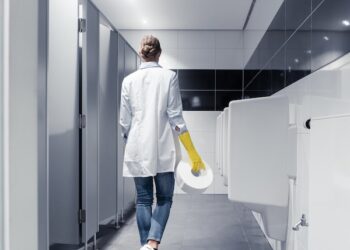
Clean restrooms are one of the most critical indicators of a well-maintained commercial facility. Whether in an office building, medical facility, school, or retail space, restroom cleanliness directly impacts health, safety, and how your business is perceived. Proper commercial restroom cleaning goes far beyond basic tidying; it requires consistent sanitizing protocols, attention to high-touch surfaces, and adherence to hygiene standards.
This guide breaks down commercial restroom cleaning standards and best practices to help facilities maintain safe, sanitary, and compliant restrooms.
Why Commercial Restroom Cleaning Standards Matter
Commercial restrooms are high-traffic areas and hotspots for germs, bacteria, and viruses. Without proper cleaning and disinfection, restrooms can contribute to the spread of illness, unpleasant odors, and safety hazards such as slippery floors or overflowing waste.
Following professional restroom cleaning standards helps:
- Reduce the spread of germs and bacteria
- Improve employee and visitor health
- Ensure compliance with health and safety regulations
- Maintain a professional image for your business
For many industries, especially healthcare and food-adjacent businesses, restroom hygiene is not optional; it’s essential.
Core Commercial Restroom Cleaning Protocols
Effective commercial restroom cleaning follows a structured process that ensures both cleanliness and sanitation.
1. Surface Cleaning and Disinfection
All high-touch surfaces should be cleaned and disinfected during every service. This includes:
- Toilets and urinals (inside and out)
- Sink basins and faucets
- Countertops and partitions
- Door handles, stall latches, and light switches
Professional-grade disinfectants kill bacteria and viruses while remaining safe for occupants when applied correctly.
2. Floor Cleaning and Safety
Restroom floors should be swept and mopped with disinfecting solutions to remove dirt, moisture, and bacteria. Wet floor signage should always be used during cleaning to prevent slips and falls.
Tile grout and corners require special attention, as these areas easily trap moisture and odors.
3. Restocking Supplies
A clean restroom must also be fully stocked. Best practices include checking and replenishing:
- Toilet paper and paper towels
- Hand soap and sanitizer
- Seat covers and feminine hygiene products (where applicable)
Empty or overflowing dispensers can quickly undermine even the cleanest restroom.
4. Trash Removal and Odor Control
Trash receptacles should be emptied during every cleaning visit, with liners replaced as needed. Odor-neutralizing products help keep restrooms smelling fresh without overwhelming fragrances.
Sanitizing for Hygiene and Health
Sanitizing is the most critical component of commercial restroom cleaning. While cleaning removes visible dirt, sanitizing reduces harmful microorganisms to safe levels.
High-risk areas such as toilet handles, flush valves, faucets, and baby-changing stations should be disinfected thoroughly. In medical offices and high-traffic facilities, enhanced disinfection protocols or multiple daily cleanings may be required.
Using EPA-approved disinfectants and following proper dwell times ensures effective sanitation and compliance with industry standards.
Cleaning Frequency Best Practices
The ideal restroom cleaning frequency depends on usage and facility type:
- Low-traffic offices: Daily cleaning is typically sufficient
- Medium-traffic commercial buildings: 1–2 cleanings per day
- High-traffic facilities (medical, retail, schools): Multiple cleanings per day
Regular inspections help identify when additional cleaning is necessary to maintain hygiene and safety.
Industry-Specific Restroom Cleaning Standards
Different industries have unique restroom cleaning requirements:
- Office buildings: Focus on daily sanitation and supply management
- Healthcare facilities: Require strict disinfecting protocols and frequent cleanings
- Educational facilities: Emphasize germ control and safety for students and staff
- Retail and public spaces: Prioritize appearance, odor control, and frequent maintenance
Professional janitorial services ensure these standards are consistently met.
Contact Us for Professional Restroom Cleaning Services
Maintaining clean, sanitary restrooms requires expertise, consistency, and the right products. First Choice Janitorial Services provides reliable commercial restroom cleaning services tailored to your facility’s needs.
Contact us today to request a free consultation and learn how our professional restroom cleaning solutions can improve hygiene, safety, and confidence in your commercial space.